

What is sarcoma and how to recognise it in its early stages
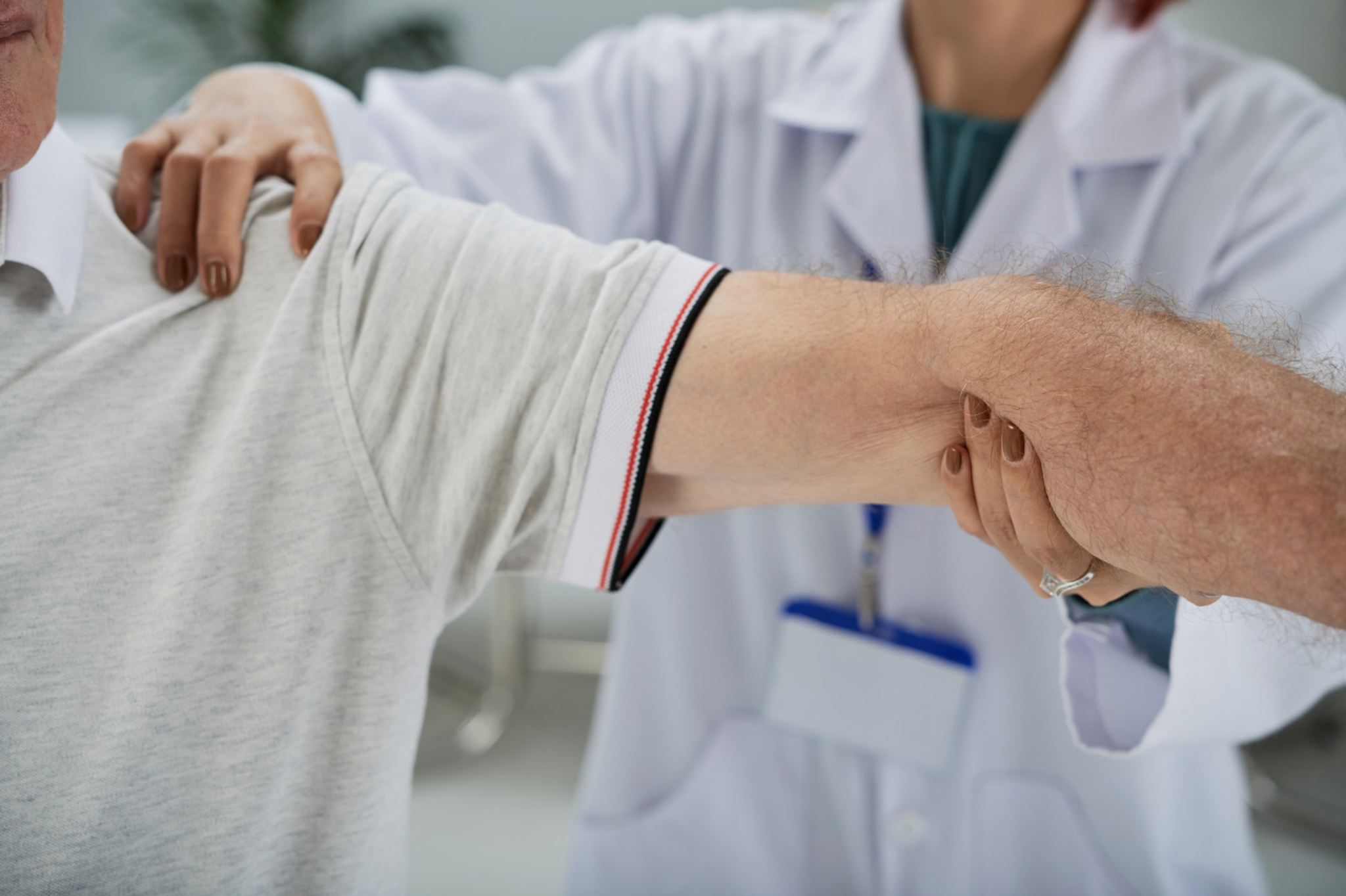
If you have been diagnosed with sarcoma, the question immediately arises: ‘What is sarcoma?’ Sarcoma is a rare but very aggressive cancer. Due to its hidden nature and rapid development, it requires special attention and observation.
If a malignant tumour is diagnosed at an early stage, the chances of successful treatment and rapid recovery are very high.
In this article, we will answer all your questions on this topic in detail.
What is sarcoma?
Sarcoma is a malignant neoplasm that develops from the connective tissues and structures that form the musculoskeletal system of the body. Unlike carcinomas, which arise from superficial (epithelial) tissues, sarcomas affect deep tissues and bones.
Tumours most often affect the limbs, trunk, and abdominal cavity. Without timely treatment, the disease can metastasise to other organs.
What does sarcoma look like? It is a dense tumour or irregularly shaped thickening under the skin, which may be mobile or fixed to the surrounding tissues. It ranges in size from a few centimetres to large formations. As it grows, the tumour becomes more noticeable, may cause pain, restrict movement or cause swelling in the affected area.
Main types of sarcoma
In medicine, there are more than 70 different subtypes of these neoplasms. For these tumours, classification depends on their type of growth and degree of aggressiveness. We will look at the most common ones in this section.
Soft tissue sarcoma
Develops in muscles, fatty tissue, fascia, tendons, and blood vessels. Such connective tissue tumours are mostly discovered accidentally during medical examinations or injuries.
Bone sarcoma (osteosarcoma)
Osteosarcoma is the most common type of bone sarcoma. It is most prevalent among adolescents and young adults. The neoplasm occurs in the long bones of the arms and legs, near the knee joint. A characteristic symptom is pain that intensifies at night and does not stop after rest.
Ewing's sarcoma
Ewing's tumour mainly affects children and adolescents. It can develop in both soft tissues and bones - ribs, long limbs, and pelvic bones. It is an aggressive pathology that progresses rapidly and requires complex therapy.
Leiomyosarcoma and rhabdomyosarcoma
Leiomyosarcoma occurs in the smooth muscles lining the walls of internal organs — the uterus, stomach, intestines, and blood vessels. It mostly occurs in people over the age of 50.
Rhabdomyosarcoma develops from skeletal muscles and is the most common type of soft tissue cancer in children.
Rare types of sarcoma
Among the less common but no less aggressive pathologies are:
- chondrosarcoma (sarcoma of cartilage tissue)
- angiosarcoma (tumour of blood vessels)
- fibrosarcoma
- liposarcoma
Each tumour has its own characteristics of structure and growth, which influences the choice of treatment strategy.
Causes of sarcoma
Unlike most other forms of oncology, the causes of sarcoma development are not fully understood. However, it is worth highlighting the risk factors that increase the likelihood of developing the disease:
- genetic predisposition: the presence of Li-Fraumeni syndrome, neurofibromatosis or retinoblastoma;
- previous radiation therapy for the treatment of other cancers - may provoke the development of sarcoma in the irradiated area years later;
- exposure to chemical carcinogens, in particular dioxin and vinyl chloride;
- chronic lymphedema (lymphatic congestion) - may lead to the development of angiosarcoma.
However, observations confirm that the disease can develop even in the absence of risk factors. Therefore, Oncare specialists urge people to undergo preventive medical examinations — this is the only way to detect the disease in time and begin treatment.
Symptoms of sarcoma
The insidiousness of the neoplasm lies in the fact that in the early stages it does not cause obvious symptoms. Or it manifests itself so vaguely that a person does not attach any importance to it.
What signals does the body send when the disease is already present?
The most common sign is a painless lump or swelling that gradually increases in size. If the tumour is located deep in the soft tissues, it may not even be noticed for weeks or months.
Over time, pain appears, especially if the neoplasm presses on nerve endings or is located near the joints. With bone sarcoma, a person experiences persistent pain that worsens at night and cannot be relieved with painkillers. There may also be limited joint mobility or swelling at the site of the lesion.
Other common signs of sarcoma include unexplained weight loss, increased fatigue, and low-grade fever.
How to recognise sarcoma in its early stages?
There are a few simple signs that indicate you need to see a doctor.
If you find a lump larger than 5 centimetres that does not go away within a few weeks and is growing, this is a good reason to get checked out. You should consult a doctor if you experience pain that occurs for no apparent reason and does not subside after rest.
It is also important to understand the difference between cancer and sarcoma. Most carcinomas develop in epithelial organs, such as the lungs and mammary glands, while sarcomas grow deep in the tissues, so they do not have specific manifestations at the beginning.
When to see a doctor
Do not wait until the disease progresses to the last stage and the symptoms become unbearable. See a doctor immediately if:
- the swelling has increased in size over the past few weeks;
- you have constant pain in your bones or joints without any trauma;
- the growth restricts the movement of your limb;
- the swelling is accompanied by a general deterioration in your condition.
An early visit to an oncologist can save your life.
Possible complications of sarcoma
Without adequate treatment, malignant neoplasms lead to serious consequences. Metastasis to the lungs is the most common complication. The tumour can also affect the lymph nodes and liver.
Local complications include bone destruction and fractures, compression of nerve endings, and loss of limb function.
Diagnosis of sarcoma
Timely and accurate diagnosis is the basis for successful treatment. At our medical facility, this process consists of the following stages: clinical examination by a doctor, instrumental examinations, and laboratory tests.
| Method | What it is used for | Advantages |
| MRI | Determining the size and boundaries of the tumour | No radiation, high accuracy |
| CT or X-ray | Detecting damage to bones and lungs | Accessibility |
| Biopsy | Determination of tumour type under a microscope | Most reliable method |
| Immunohistochemistry / genetic testing | Determination of sarcoma subtype | Helps to choose the right treatment |
MRI allows for a detailed assessment of tissue condition, while CT allows for visualisation of bones and detection of metastases in the lungs, if any.
Biopsy is a mandatory examination method that confirms the diagnosis and identifies specific mutations.
Methods of treating sarcoma
With sarcoma, treatment depends on the type of tumour, its stage and location. Let's take a closer look at the methods used by oncologists to combat the disease.
- Surgery is the main treatment method. Its goal is to completely remove the tumour while preserving a sufficient supply of healthy cells around the affected area. In the case of bone sarcoma, organ-preserving surgery using implants is performed. However, in complex situations, amputation is possible.
- Radiation therapy is effective before surgery to reduce the size of the tumour and after surgery to remove any remaining cancer cells. Advances in modern radiosurgery allow doctors to target the radiation precisely at the tumour, minimising the impact on healthy cells.
- Chemotherapy shows good results in the fight against some types of sarcoma. It is used in combination with other approaches or as a standalone therapy.
- Targeted therapy is a new approach that affects only malignant cells and does not affect healthy ones. The drugs act on specific molecular cells and block the signalling pathways that promote tumour growth.
- Immunotherapy - these drugs activate the body's own immune system to fight the disease.
After completing treatment, rehabilitation is an extremely important stage. By following your doctor's instructions, you will return to your normal life faster and avoid complications. Our specialists monitor you after treatment to ensure that your body is recovering well.
Prognosis and prevention
After treatment, the prognosis for sarcoma depends on the stage of the disease at the time of diagnosis, the histological type and size of the tumour, and the effectiveness of the prescribed therapy. When the disease is detected at stage 1, the survival rate is over 80%. At stage 4, however, this rate drops sharply.
There is no specific prevention for this condition, as the disease can occur spontaneously. However, avoiding contact with carcinogens, monitoring your health if you have a genetic predisposition, and preventive medical examinations will help reduce the risk.
Conclusion
Remember that timely medical attention for alarming symptoms is the key to a successful recovery and return to normal life. Take care of your health with the Oncare Medical Centre.
FAQ
It is a malignant tumour that develops from the deep tissues of the body — muscles, bones, fatty tissue, etc.
The term ‘cancer’ refers to carcinoma — a neoplasm that arises in epithelial tissues (skin, mucous membranes). Sarcoma develops from connective tissue. The approaches to treating these tumours also differ.
Most cases of the disease are localised in the limbs, a third in the trunk and abdominal cavity, and the rest in the internal organs.
With timely detection and adequate treatment, the prognosis is favourable and survival rates are very high. In the later stages, treatment is aimed at prolonging life and alleviating the patient's condition.
For an examination, consult a therapist, oncologist or surgeon. The doctor will prescribe a series of tests to help determine the presence or absence of the disease.
In most cases, no. However, if there have been cases of this disease in your close relatives, you should seek genetic counselling.